
Last updated September 21, 2026
Full 25-point door and opener safety check with every visit - springs, cables, rollers, tracks, and your LiftMaster or Chamberlain opener included
You get a price before we start. It does not change when the truck arrives.
 Before
 After
After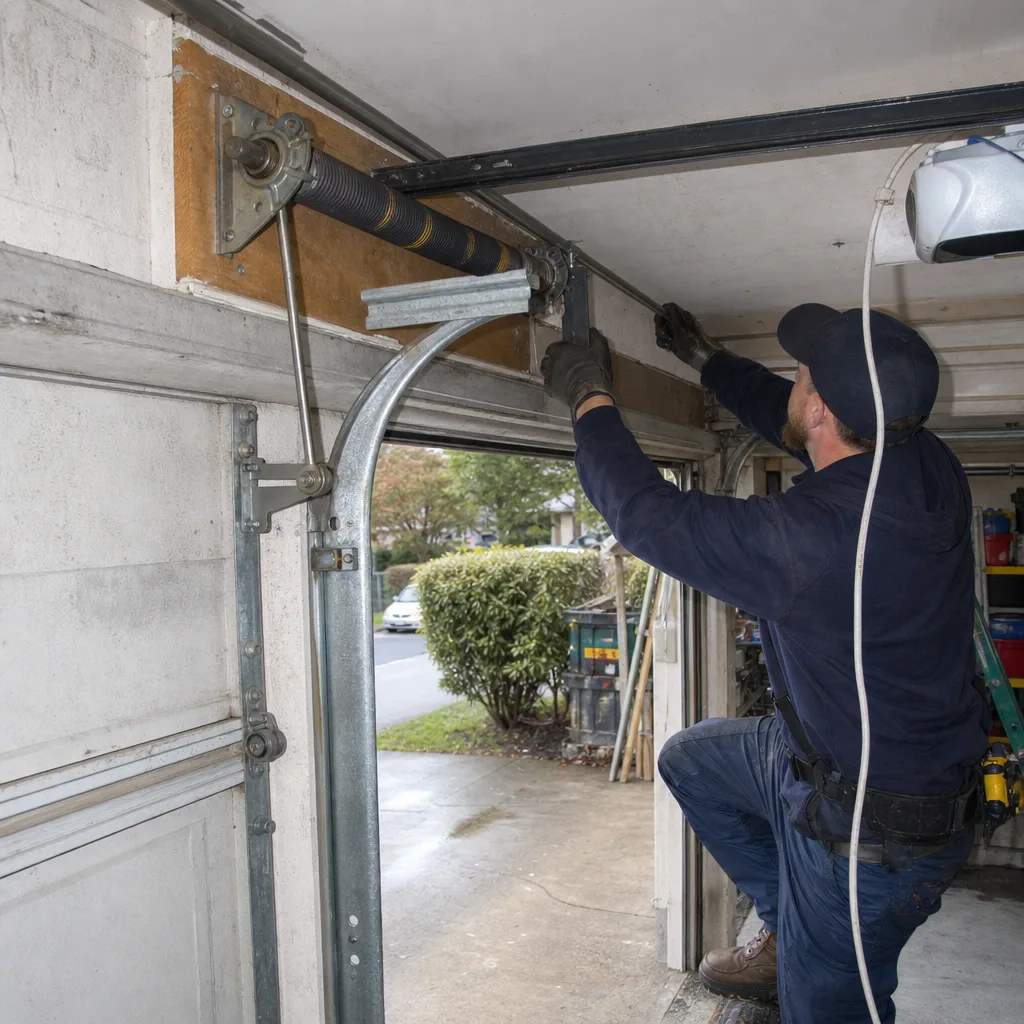 Before
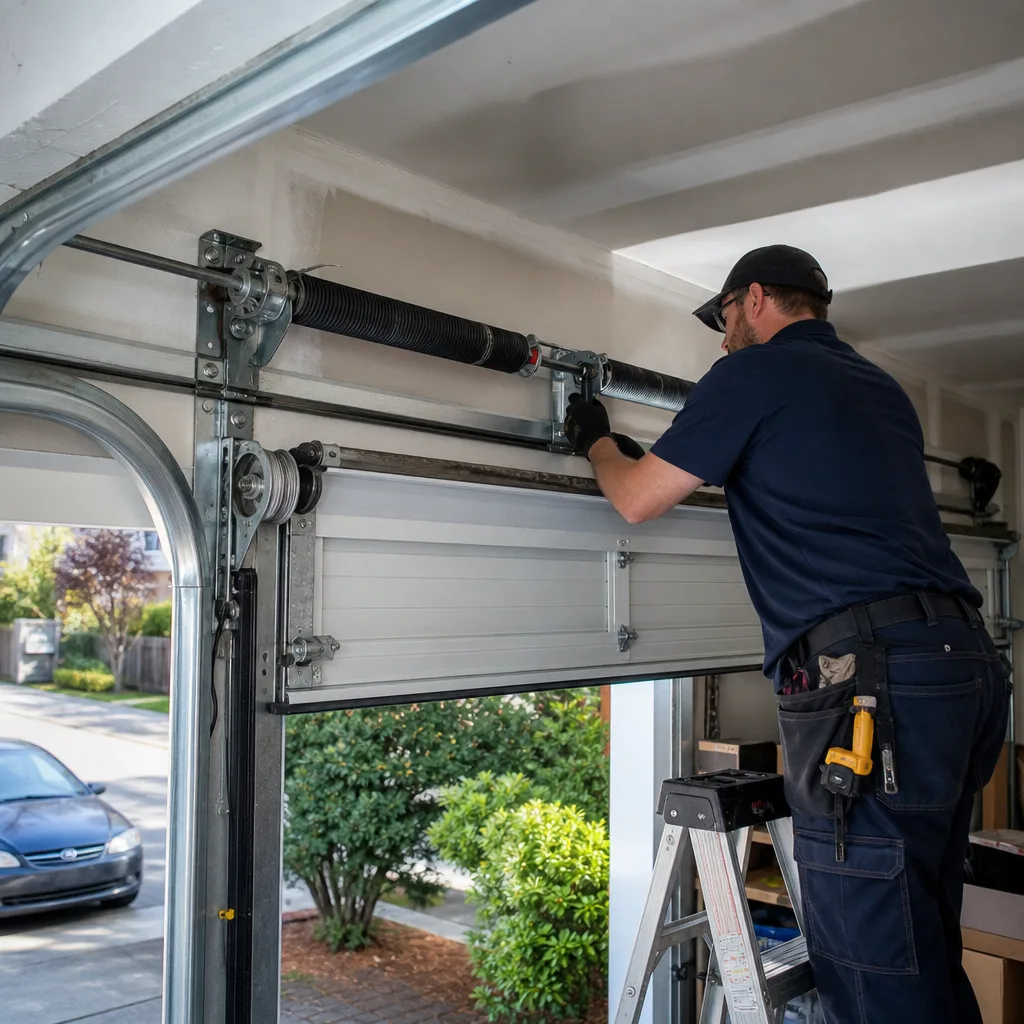 After
After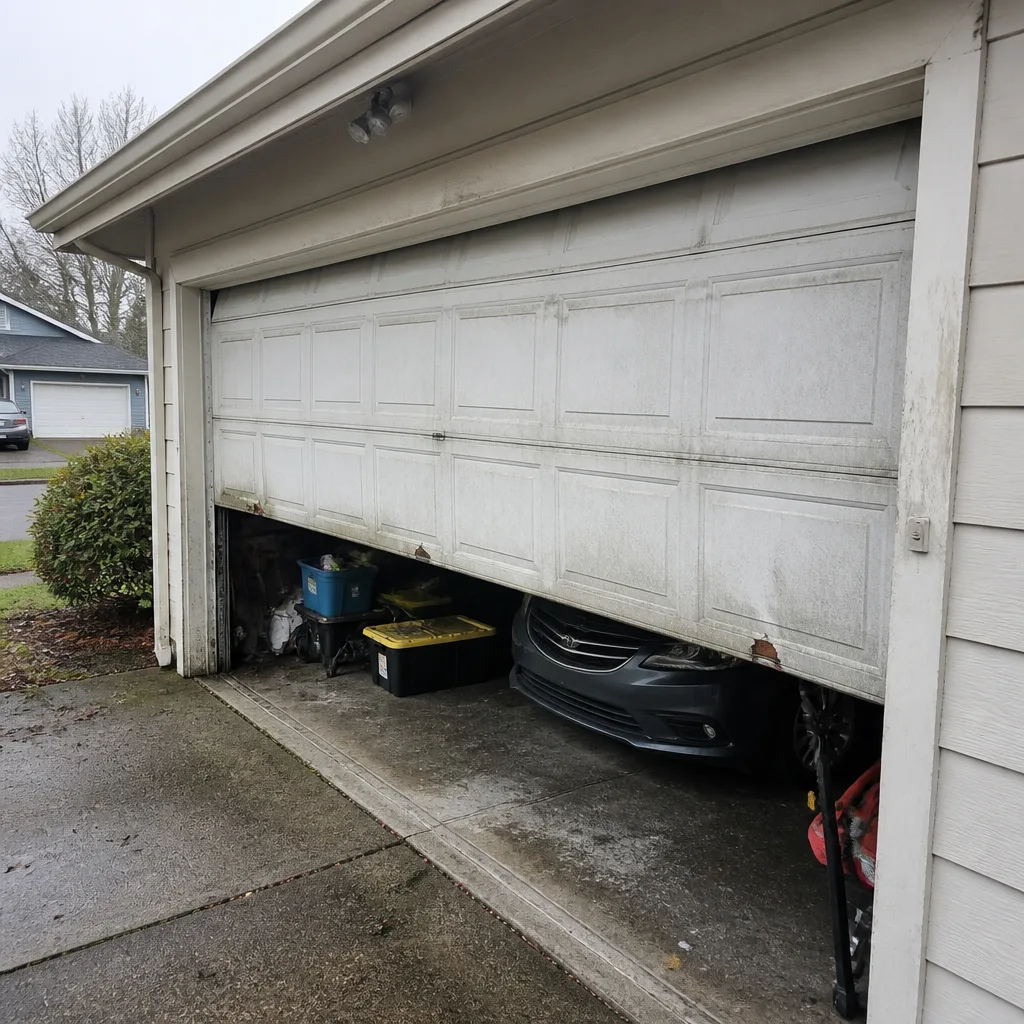 Before
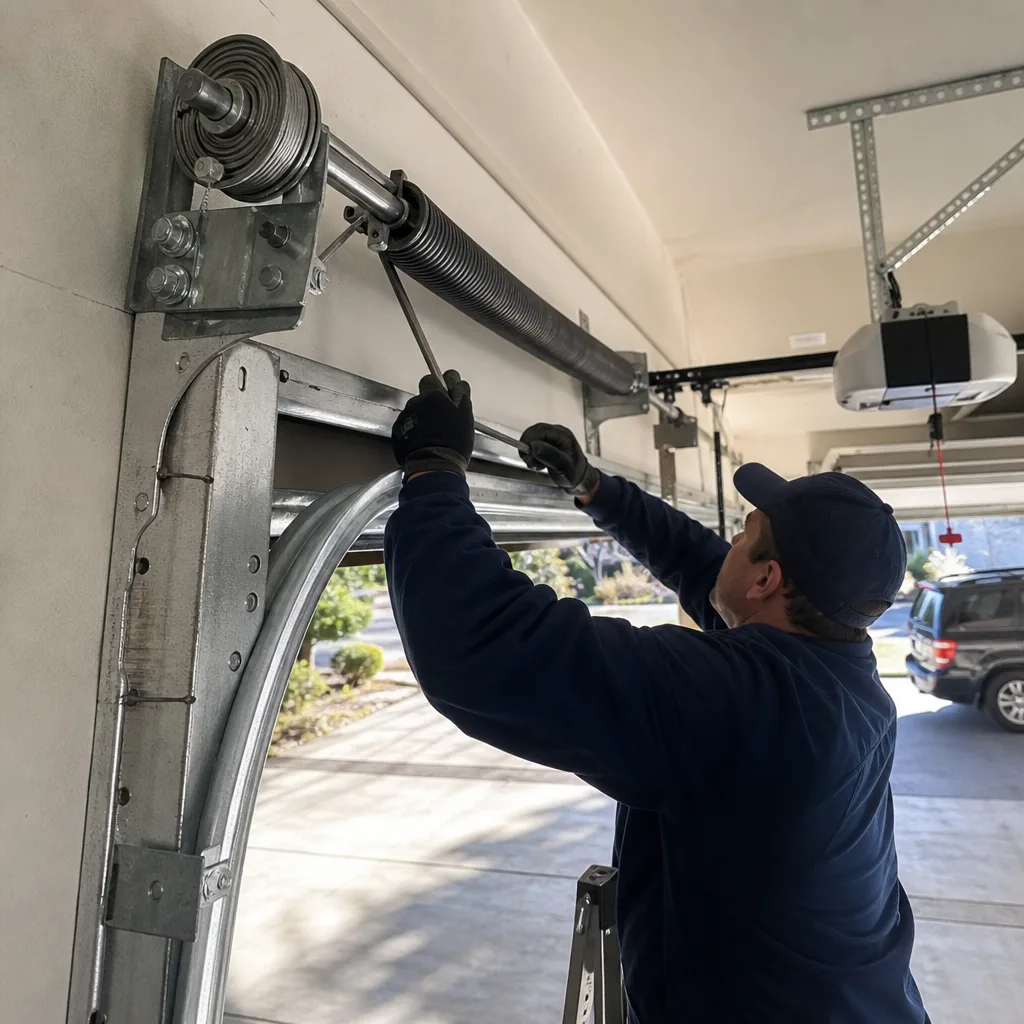 After
AfterSeasonal Garage Door Care for Renton: Year-Round Homeowner’s Guide
Renton averages 152 days of measurable precipitation per year, concentrated almost entirely between October and March. Most garage door maintenance guides split the year into four neat quarters - spring, summer, fall, winter - but that calendar doesn’t match what your door actually experiences in the Puget Sound lowlands. The real division in Renton is wet season and dry season, and the maintenance tasks that prevent expensive failures are timed around that split, not around arbitrary dates on a national template. In this guide and our The Complete Guide to Garage Door in Renton, you’ll learn when to inspect, what to look for, and how to document findings so a pattern of recurring issues becomes visible before it becomes a system failure.
Quick Answer
Garage door maintenance in Renton should follow a two-season schedule timed to the region’s wet-dry climate pattern: a pre-rain inspection and seal replacement in September, mid-winter tension checks when temperatures drop into the 30s, and a post-wet-season cleaning and re-lubrication in May. Homeowners who document each inspection - dates, findings, parts replaced - can spot wear patterns years before they cause a failure; see our DIY vs Professional Garage Door: The Renton Homeowner’s Decision Guide to decide which tasks to handle yourself.
Table of Contents
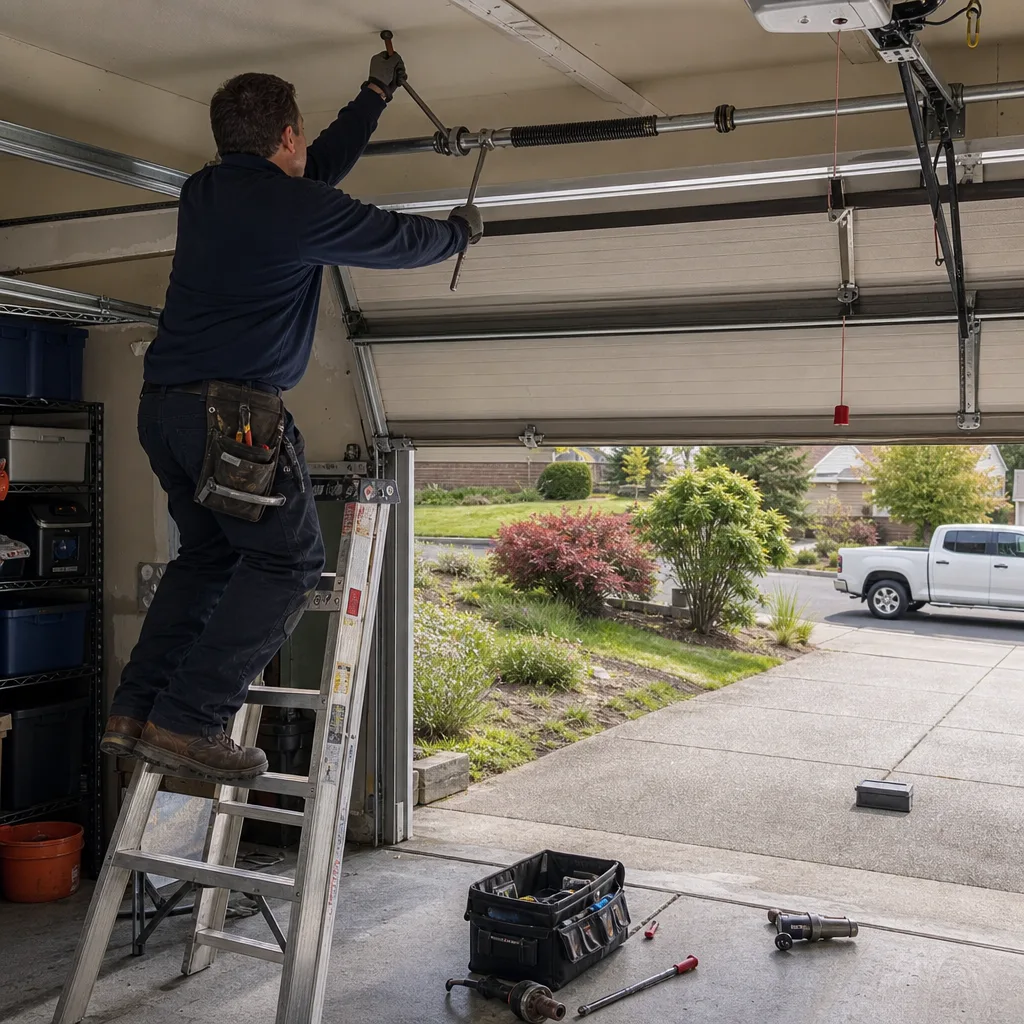
- Why Renton’s Climate Breaks the Four-Season Model
- September Pre-Rain Inspection: The Critical Window
- November Through January: When Cold Changes the Math
- May: Post-Wet-Season Recovery
- What Renton’s Mild Summers Mean for Longevity
- How to Document Your Seasonal Inspections
- Common Mistakes to Avoid
- When to Call a Professional
- Frequently Asked Questions
 Before
 After
AfterWhy Renton’s Climate Breaks the Four-Season Model
Most garage door maintenance content is written for a four-season continental climate: hot summers, cold winters, freeze-thaw cycles, snow load. Renton doesn’t work that way. Our Köppen climate classification is Csb - warm-summer Mediterranean - which means mild, dry summers and cool, wet winters with minimal freezing. The average January low is 36°F. The average July high is 76°F. There is no freeze-thaw cycle to speak of, no snow load on the door, no summer heat warping steel tracks.
What we do have is sustained moisture exposure for seven months straight, followed by three to four months of near-drought conditions. That pattern creates a specific wear profile:
- Bottom seals and weather-stripping compress and degrade under constant wet conditions, then dry and crack during the summer gap
- Cable drums and bottom brackets accumulate surface rust during wet months when garage humidity stays elevated
- Torsion springs experience modest but real tension changes as temperatures drop from October’s 55°F average to January’s 36°F average
- Track and roller lubrication thickens in cold, wet conditions, increasing motor strain on the opener
- Photo-eye lenses fog with condensation during temperature swings common in November and March
The maintenance schedule that matches this pattern has three points, not four: September (before the rain), mid-winter (when cold affects spring tension), and May (after the rain ends). June through September is a monitoring period, not an active maintenance window, because the conditions that cause wear are largely absent.
In the Fairwood and Benson Hill neighborhoods, where many homes were built between 1985 and 2005, we see a higher concentration of original wood-frame garage doors with steel facing. These doors absorb more moisture at the seams than newer all-steel or composite models, making the September seal inspection especially critical. A failed bottom seal on one of these doors can wick water into the frame within a single wet season.
September Pre-Rain Inspection: The Critical Window
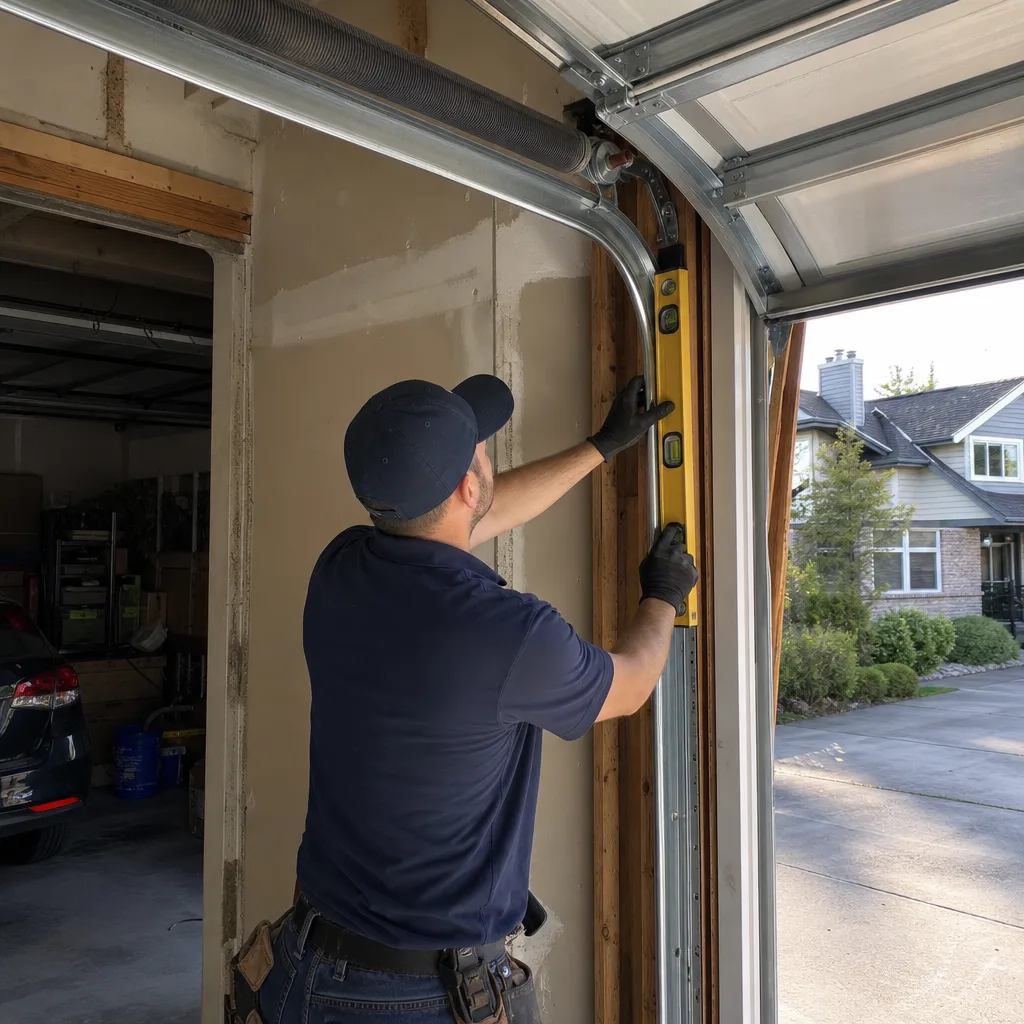
September is the most important maintenance month for Renton garage doors. The average precipitation in September is 1.6 inches - the last dry month before October jumps to 3.4 inches and stays elevated through April. Any seal, gasket, or drainage issue that exists in September will be tested continuously for the next seven months.
Here’s what to inspect and address before October:
- Bottom seal replacement or inspection. The bottom seal is a flexible vinyl or rubber strip attached to the bottom of the door panel, designed to compress against the concrete threshold and block water, debris, and pests. In Renton, we replace more bottom seals in September than any other month. Look for: cracks, flattening that no longer creates a compression seal, hardening that prevents proper contact, or gaps visible when the door is closed. A failed bottom seal allows water to pool inside the track and corrode the bottom brackets. If you’re unsure whether the seal is still functional, close the door on a bright day and look for daylight from inside - any visible line means the seal has failed.
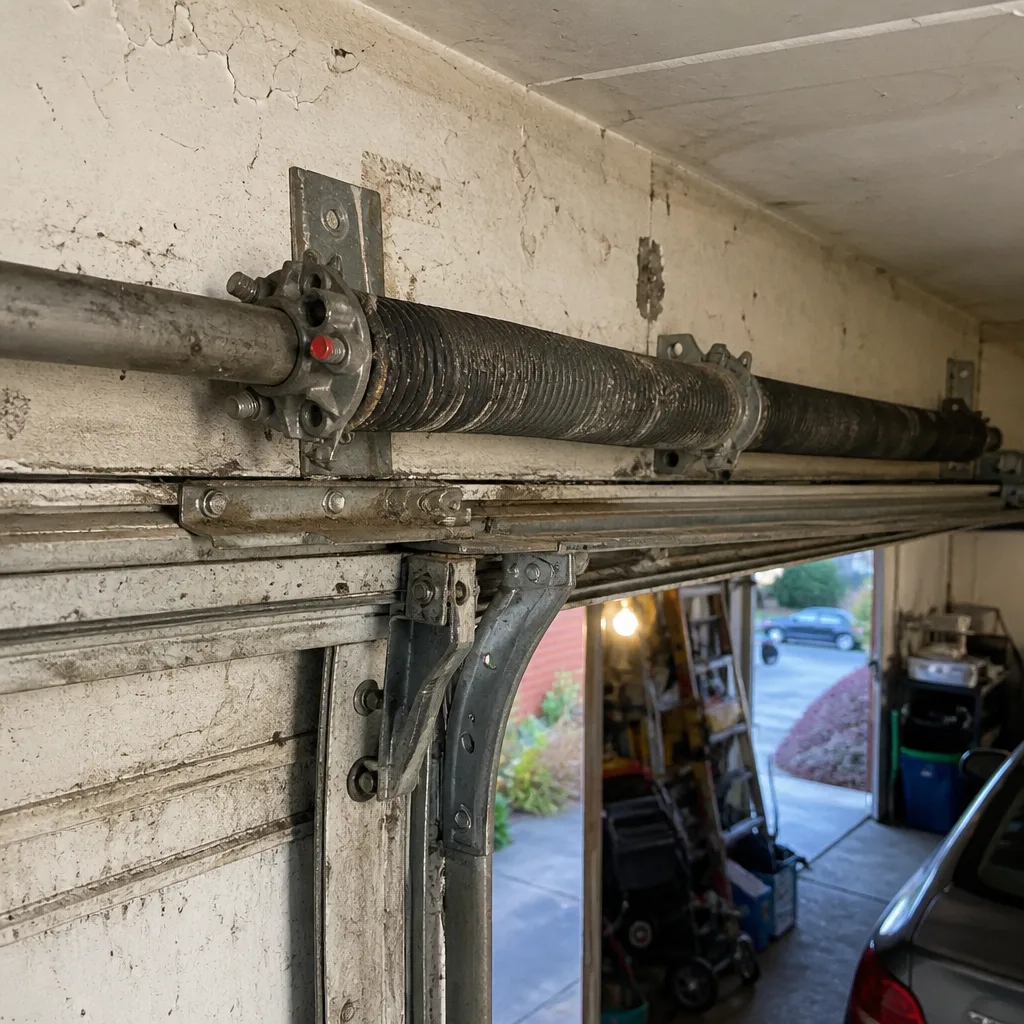
- Cable drum surface check. Cable drums are the grooved wheels at the top of the door that wind and unwind the lift cables as the door moves. In Renton’s humid garages, these drums develop surface rust that roughens the grooves and accelerates cable wear. In September, inspect the drum surface with a flashlight. Light surface discoloration is normal; rough, pitted, or flaking metal is not. Do not attempt to sand or machine the drums - replacement is the correct action, and the cable set should be replaced at the same time because rust particles embed in the cable strands.
- Weather-stripping compression test. The vinyl or rubber seal around the door’s perimeter frame compresses against the door edges when closed. Over time, especially with sustained moisture exposure, this stripping loses elasticity. Test it by closing the door and attempting to slide a sheet of paper between the door and the seal at multiple points. If the paper slides through easily, the seal is no longer compressing properly. In the Highlands and Talbot Hill areas, where wind exposure is higher, perimeter seals degrade faster due to constant pressure cycling.
- Threshold drainage check. The concrete at the bottom of the door should slope slightly outward so water runs away, not toward the door. After a rain, check whether water pools against the threshold. Pooling indicates either a drainage problem or a settled slab, and either condition will overwhelm even a new bottom seal over a wet season.
- Opener force limit verification. The opener’s force settings - controlled by the limit switch and force adjustment dials on the motor unit - should be tested while the door still operates smoothly. A door that strains the opener in September will only work harder as lubrication thickens in cold weather. If the door reverses unexpectedly or the opener labors, the cause may be track misalignment, roller binding, or spring tension drift, all of which worsen under winter load.
We document every September inspection we perform with a photo record showing the condition of each component, delivered to the customer before we quote any replacement. That’s Clause 4 of The Haven Standard - the customer sees the failed part before anyone quotes a replacement.
November Through January: When Cold Changes the Math
The temperature drop from October’s average high of 58°F to January’s average low of 36°F has a measurable effect on garage door mechanics, particularly torsion spring systems. This is the period when we receive the most “my door suddenly feels heavy” calls in Renton, and the cause is often misunderstood.
Torsion springs are wound steel coils that store mechanical energy to offset the door’s weight. The spring’s torque output changes with temperature because steel’s modulus of elasticity decreases slightly as it cools. A spring that balanced a 150-pound door perfectly at 55°F produces approximately 3-4% less torque at 35°F. That doesn’t sound like much, but on a door at the upper end of its spring’s capacity, it’s enough to make the door feel heavy, strain the opener, or fail to stay open at the halfway point.
Before assuming the spring has failed, check these three things in January:
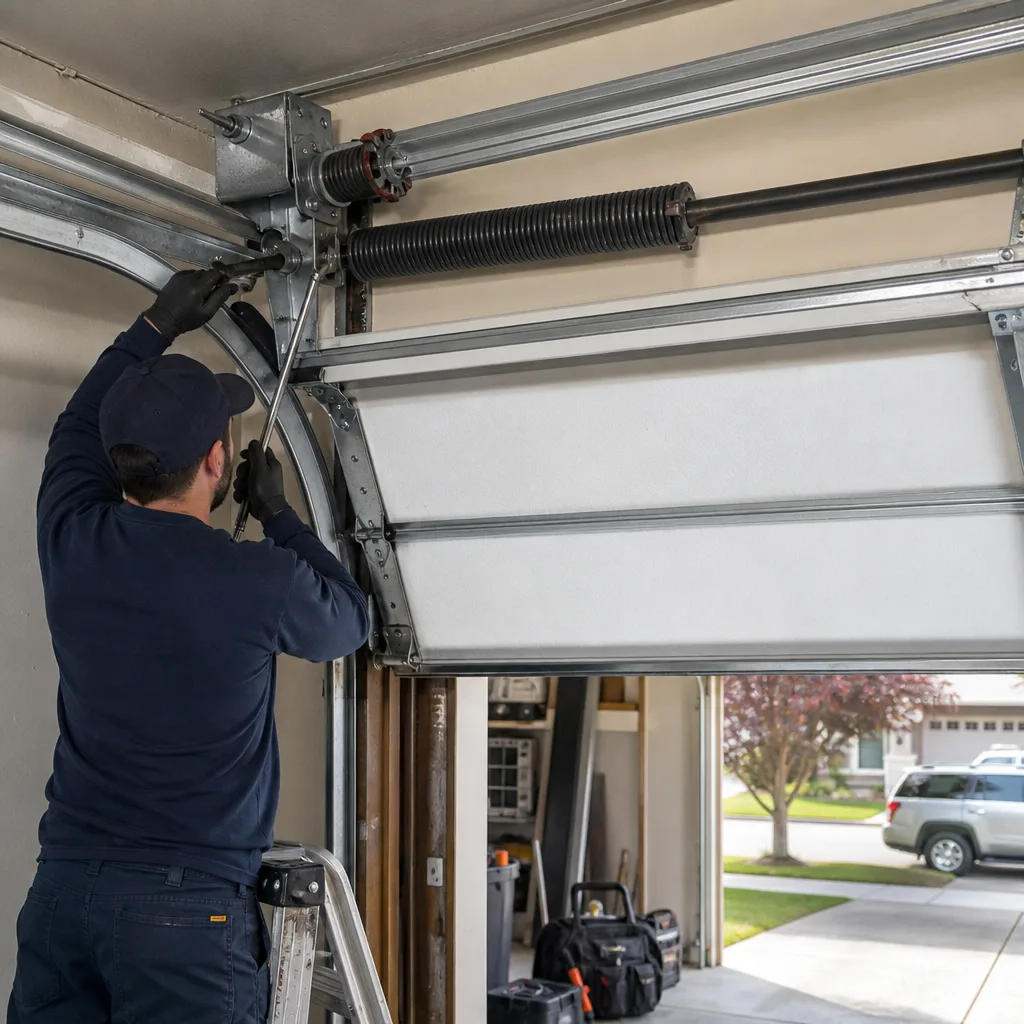
- Door balance test with the opener disconnected. Pull the red emergency release cord to disengage the trolley carriage from the opener. Manually lift the door to waist height and release it. A properly balanced door should stay in place or drift slowly. If it drops hard, the spring tension is low - but this could be seasonal drift rather than a broken spring. A broken torsion spring is visually obvious: a gap of 2-3 inches in the coil, or two separate pieces. Never touch a torsion spring or winding cone - the stored energy can cause serious injury.
- Track and roller condition. Cold thickens lubricant, and thickened lubricant increases rolling resistance. If the door feels heavy but the balance test is acceptable, the issue may be drag in the system. Do not add more lubricant - this compounds the problem. The correct action is to clean the tracks with a dry cloth and apply a small amount of silicone-based lubricant rated for low temperatures, or schedule a service call.
- Opener force sensitivity. Modern openers from Chamberlain and Genie have electronic force sensing that compensates for minor load changes, but older units with mechanical force dials may need seasonal adjustment. Do not increase force settings to overcome a door balance problem - this masks the underlying issue and risks opener damage or safety system failure.
In Renton’s East Renton-Highlands area, where elevation is slightly higher and garages are often unheated, we see more pronounced temperature effects than in lower-lying neighborhoods near the Boeing plant. A door that balances adequately in a heated garage in Renton proper may show symptoms in an unheated Highlands garage.
If you perform a balance test and the door drops hard, or if you see a visible gap in the torsion spring, the correct action is to stop using the door and call for service. Garage door repair in Renton for spring issues should include a written price before work starts and a documented photo record of the failed component - anything less leaves you without evidence of what was actually wrong.
May: Post-Wet-Season Recovery
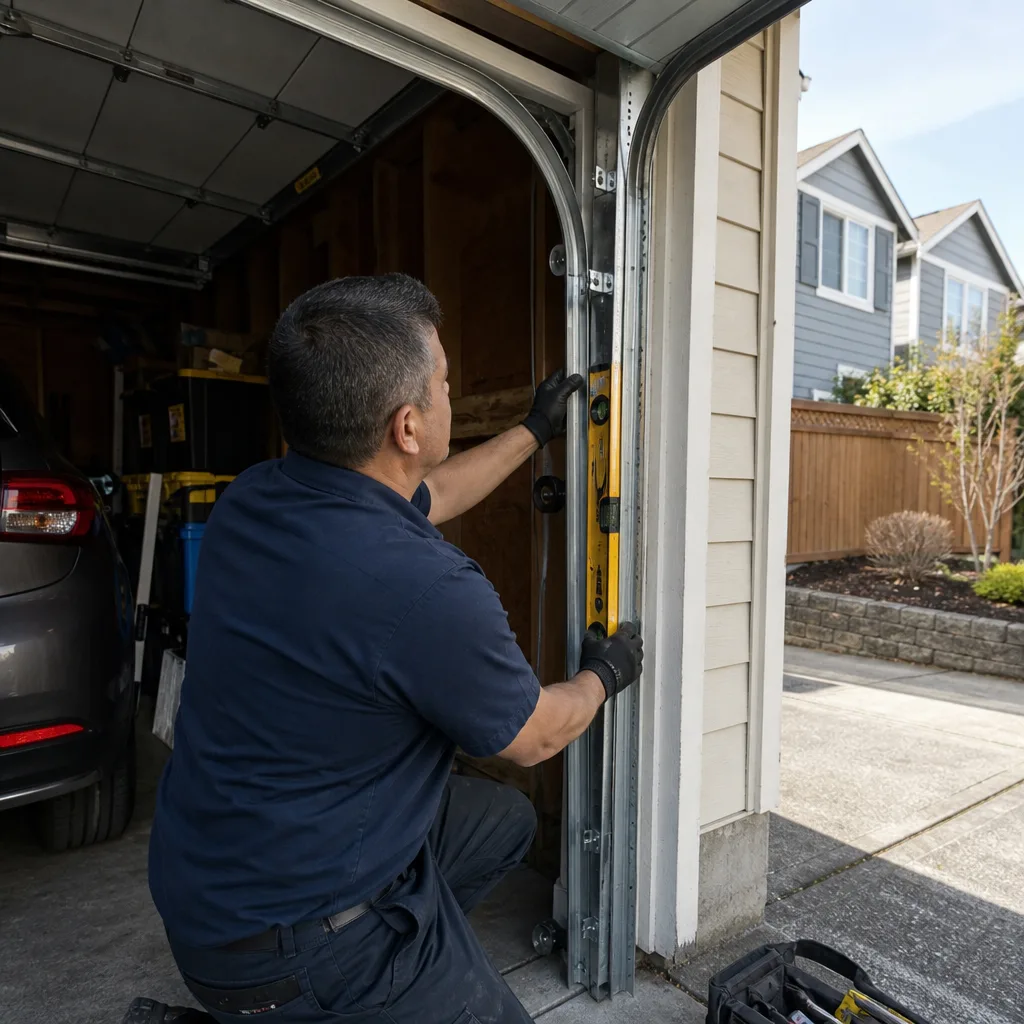
May marks the transition. Average precipitation drops to 1.9 inches, down from April’s 2.7, and continues falling into the dry summer months. The maintenance tasks in May are about recovery and preparation: cleaning what the wet season deposited, restoring lubrication that degraded, and inspecting components that were hidden by winter conditions.
- Track floor cleaning. Seven months of rain wash debris into the garage: leaves, pine needles, gravel, and sediment that accumulate in the horizontal track sections and the space where the vertical track meets the floor. This debris binds rollers, accelerates wear, and in extreme cases can jam a door completely. Remove debris with a vacuum or dry brush - do not use water, which introduces the moisture you’re trying to eliminate. In the Kennydale area near Lake Washington, where deciduous tree cover is dense, we see significant leaf accumulation that homeowners often don’t notice until a roller starts clicking.
- Roller re-lubrication. The rollers - wheeled bearings that ride inside the tracks - operate with grease that thickens in cold temperatures and may have attracted moisture during the wet season. By May, this lubrication is degraded. Apply a silicone-based garage door lubricant to the roller bearings, not the track surface. Nylon rollers, which are quieter than steel, have sealed bearings that don’t require lubrication - inspect the roller body for cracks or flat spots instead. If you have steel rollers with exposed bearings, a few drops of lubricant per roller is sufficient; excess lubricant attracts debris.
- Photo-eye lens inspection. The photo eyes are the infrared safety sensors mounted 4-6 inches above the floor on each side of the door opening. During winter, temperature swings cause condensation on the lenses, and the wet season deposits a film of dust and moisture residue. Clean the lenses with a dry microfiber cloth. Test the safety system by placing a solid object in the door’s path during closing - the door should reverse within 2 seconds. If it doesn’t, the lenses may be misaligned or the logic board may have a fault. Misaligned photo eyes are one of the most common causes of “my door won’t close” calls we receive in Renton in late spring.
- Exterior hinge and hardware inspection. Hinges connect the door panels and allow the door to bend around the track curve. Exterior hinges - those on the outside face of the door - are exposed to direct weather and are the first to show rust. In May, inspect each hinge for corrosion, looseness, or cracks in the metal. A hinge that breaks during operation can cause a panel to separate from the track, which is a dangerous condition. Tighten any loose bolts, but do not over-torque - hinge bolts should be snug, not stripped.
- Cable condition check. The lift cables run from the bottom brackets to the cable drums. During the wet season, cables can develop surface rust or fraying that isn’t visible until the debris is cleaned away. In May, with the door closed and the opener disconnected, inspect the full cable length. Fraying - visible as broken wire strands protruding from the cable - is a replace-immediately condition. Rust without fraying is a monitor-closely condition. Cables are under high tension and should never be touched or adjusted by anyone other than a trained technician.
May is also the right time to schedule any deferred repairs or to evaluate whether a door replacement makes sense before the next wet season. Garage door installation in Renton should include a free measure, a written price for the complete scope, and a documented photo record of the opening dimensions and conditions - the same documentation standard we apply to every job.
What Renton’s Mild Summers Mean for Longevity
Here’s something most garage door guides get wrong: they assume summer heat is a major stressor. In Renton, it isn’t. Our average July high of 76°F and typical overnight low of 56°F means thermal expansion of steel components is minimal. A door in Phoenix or Dallas experiences more thermal stress in a single July day than a Renton door experiences in an entire summer.
This has a specific, measurable benefit for one component: nylon rollers. Nylon is a thermoplastic that degrades under sustained heat and UV exposure. In hot climates, nylon roller bodies can crack, flatten, or develop flat spots within 5-7 years. In Renton’s mild summers, with garage temperatures rarely exceeding 80°F even in unheated spaces, nylon rollers commonly last 10-12 years and sometimes longer.
What this means for maintenance: if your door has nylon rollers and you’re following a national replacement guide that suggests 5-7 year intervals, you’re replacing them prematurely. The correct inspection interval in Renton is visual - check for cracking, flat spots, or bearing noise - not calendar-based. We’ve seen original nylon rollers on Clopay and Amarr doors in the Renton area last 15 years with no degradation beyond normal wear.
The same mild conditions benefit weather-stripping and bottom seals, which don’t experience the dry-rot acceleration of desert climates. The limiting factor in Renton is moisture exposure duration, not temperature extremes. A seal that would last 3 years in Arizona can last 5-7 years here if it’s properly installed and the drainage is adequate.
Summer in Renton is monitoring season, not active maintenance season. Check that the door operates smoothly, listen for new noises, and verify that the opener’s safety systems function. If everything performs normally, the correct action is to document the observation and wait for the September pre-rain window.
How to Document Your Seasonal Inspections
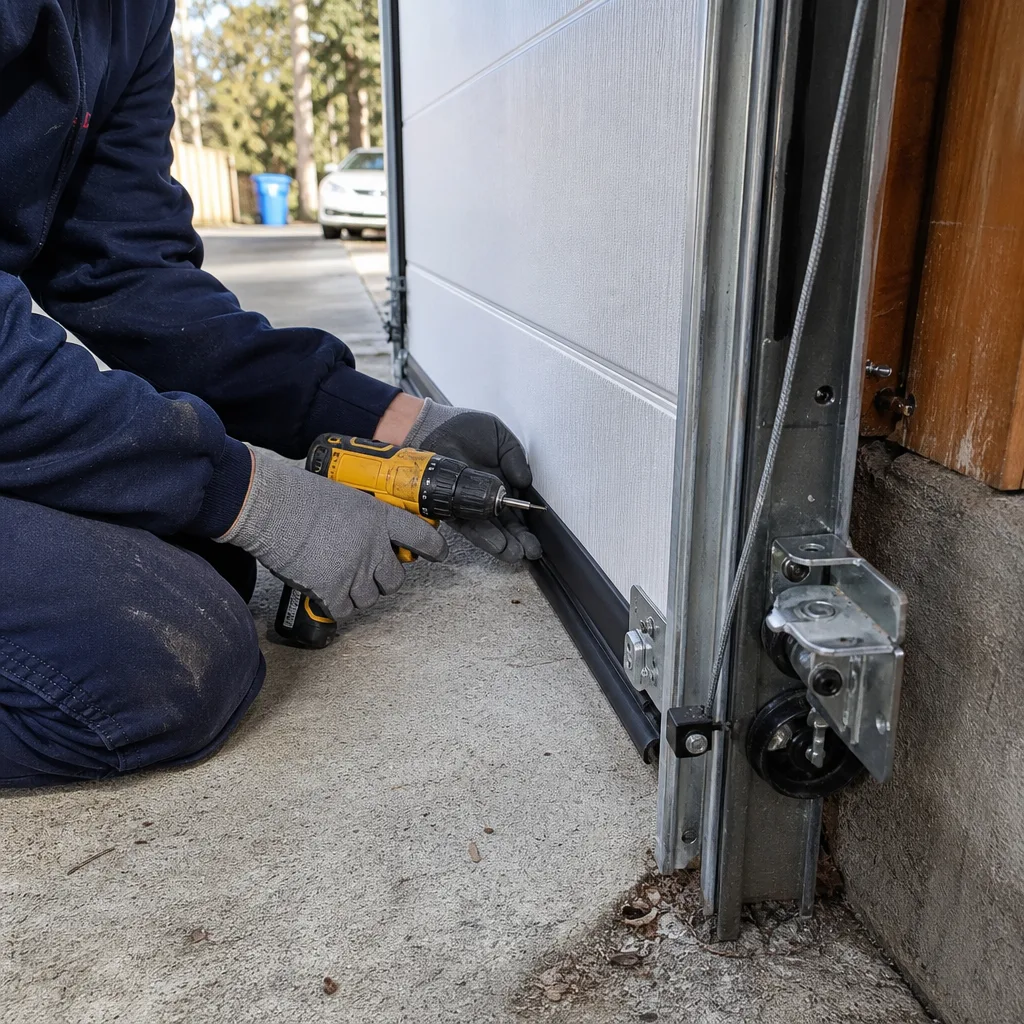
The most valuable maintenance tool most homeowners don’t use is a simple log. A pattern of recurring issues - a bottom seal that fails every third year, a cable drum that rusts repeatedly, a spring that shows tension drift each January - becomes visible only when you have dates and observations to compare. Without documentation, each failure looks like an isolated event, and you miss the opportunity to address root causes.
Here’s the minimum documentation we recommend, based on the photo record system we’ve used since 2015:
| Item | What to Record | Why It Matters |
|---|---|---|
| Date of inspection | Exact date, not just month | Allows interval calculation and correlation with weather patterns |
| Door balance test result | Stays / drifts up / drifts down / drops hard | Tracks spring tension degradation over time |
| Bottom seal condition | Good / compressed / cracked / daylight visible | Predicts failure before water intrusion occurs |
| Cable drum surface | Clean / light discoloration / pitted / flaking | Identifies corrosion rate for replacement planning |
| Weather-stripping compression | Paper test pass / fail at each side | Catches seal degradation before energy loss or pest entry |
| Photo-eye function | Reverse test pass / fail | Documents safety system reliability |
| Roller noise or binding | None / slight / moderate / severe, with location | Localizes wear to specific track sections |
| Any service performed | Parts replaced, lubrication applied, adjustments made | Creates maintenance history for warranty and resale |
Store this log with your home maintenance records. If you sell the home, transfer it to the new owner - a documented maintenance history increases buyer confidence and can prevent last-minute repair negotiations.
For our customers, we provide the documentation automatically: every visit closes with a photo record of findings and completed work, a written description of what was done, and the flat price charged. This traces back to the founding rule of Servo in 2015 - the customer sees the failed part before anyone quotes a replacement. Clause 4 of The Haven Standard codifies this, and the documentation belongs to the customer, not to us.
Common Mistakes to Avoid
- Waiting for a failure before inspecting. In Renton’s wet climate, a failed bottom seal in February means three months of water intrusion before the May maintenance window. By then, the bottom brackets may be corroded and the door frame water-damaged. September inspection prevents this.
- Using WD-40 as garage door lubricant. WD-40 is a solvent and water displacer, not a lubricant. It evaporates within days and leaves a residue that attracts debris. Use silicone-based lubricant formulated for garage door components.
- Adjusting torsion spring tension as a DIY project. Torsion springs store enough energy to cause serious injury or death. The winding cones are not user-serviceable. If a balance test shows problems, the correct action is to stop using the door and call a professional.
- Ignoring the threshold drainage. A new bottom seal on a slab that pools water is a temporary fix. The water will find the path of least resistance, which eventually becomes the door frame or the track mounting brackets.
- Replacing nylon rollers on a calendar schedule. In Renton’s mild climate, nylon rollers last roughly twice as long as in hot regions. Replace based on condition - cracking, flat spots, bearing noise - not on a generic interval from a national guide.
- Skipping the photo-eye test. The safety reversal system is legally required and functionally critical. A door that closes on an obstruction because the photo eyes are misaligned or dirty is a liability issue and a safety hazard, especially in homes with children or pets.
- Not documenting previous repairs. Without records, you can’t identify patterns. A door that needs cable replacement every four years may have an alignment issue causing uneven wear, but you’ll never see the pattern if you don’t have dates.
When to Call a Professional
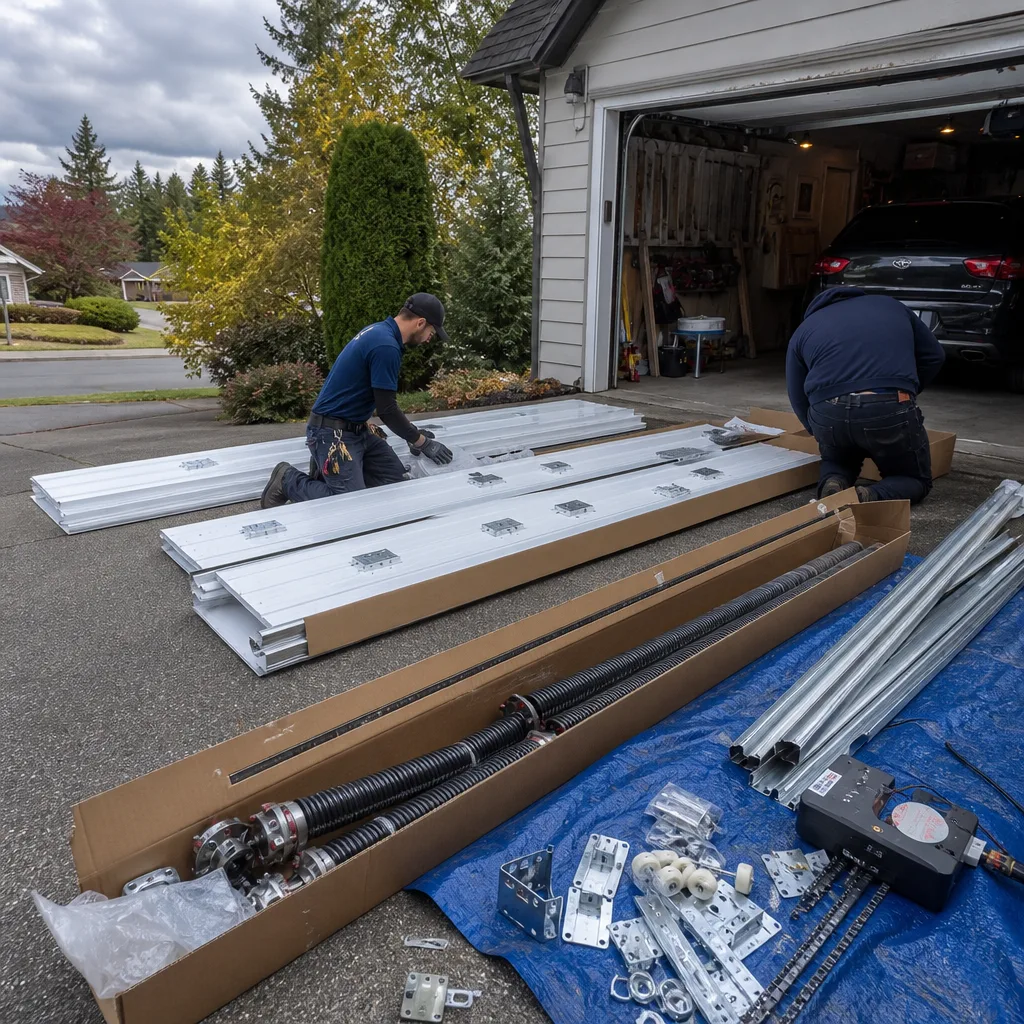
Some conditions require trained technician evaluation regardless of your maintenance skill. Call for service if you observe any of the following: a visible gap in the torsion spring, frayed or rusted lift cables, a door that drops hard during the balance test, opener strain that doesn’t resolve with track cleaning, or any broken hinge or panel that affects door alignment. These conditions involve high-tension components or structural elements that are not safe to address without proper tools and training.
Servo Garage Doors Renton offers free estimates in Renton - call (253) 518-3767. Every estimate includes a written, flat price and scope before any work begins, per Clause 1 of The Haven Standard. If you have a written estimate from another company, we provide a free second opinion with no coupon or code required.
Frequently Asked Questions
Follow a three-point schedule: September before the rainy season, January when cold affects spring tension, and May after the wet season ends. This matches Renton’s actual climate pattern rather than a generic quarterly calendar. Call (253) 518-3767 if you’d like us to perform the inspection and provide a documented photo record.
A professional inspection and tune-up in the Renton area typically runs $89-$149 depending on door size and configuration; for detailed pricing factors, see our Garage Door Cost Breakdown: The Renton Homeowner’s Reference for 2026. This includes balance testing, safety system verification, lubrication, and a documented photo record of all findings. Replacement parts - seals, rollers, cables - are quoted separately with a flat, written price before installation. We don’t start work until you approve the scope and price in writing.
Yes, with the correct product and application points. Use silicone-based garage door lubricant on steel roller bearings, hinge pivot points, and the torsion spring body. Do not lubricate the track surface, nylon rollers, or the chain/belt on the opener - these require different maintenance or none at all. If you’re unsure which rollers you have or where to apply lubricant, schedule a service call and we’ll show you during the visit.
Steel torsion springs produce slightly less torque as temperature drops. A door that balanced at 55°F in October may feel heavier at 35°F in January. This is normal within a small range, but a door that drops hard or won’t stay open has a spring tension problem that needs professional evaluation. Do not increase opener force settings to compensate - this masks the issue and risks safety system failure.
A standard 10,000-cycle torsion spring lasts 7-10 years for typical residential use. Renton’s mild temperatures don’t accelerate spring fatigue the way freeze-thaw cycles or extreme heat do, but sustained garage humidity can promote surface corrosion that weakens the wire over time. A spring showing rust flaking or a visible gap has reached end of life and should be replaced before it breaks.
We service all major brands including Chamberlain, Genie, Clopay, and Amarr, plus LiftMaster, Wayne Dalton, Craftsman, and Raynor. Every repair includes a written price before work starts, a documented photo record, and our 365-Day Done Right Promise. Garage door opener repair and installation in Renton covers both mechanical and electronic issues, including logic board replacement and smart opener integration.
The Bottom Line
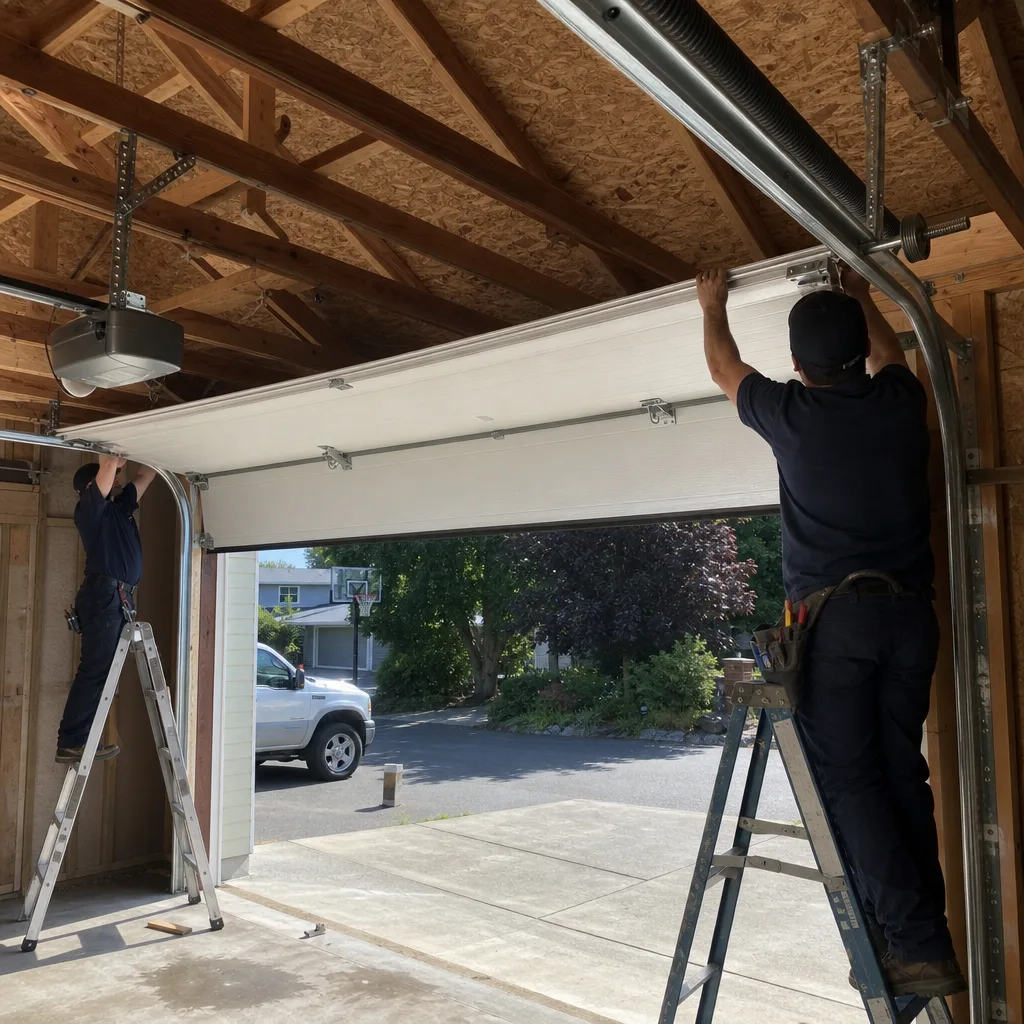
Renton’s 152 annual days of precipitation create a maintenance reality that doesn’t fit national four-season templates. The effective schedule is three points: September to seal against the coming rain, January to check how cold affects spring performance, and May to clean and recover from the wet season. Document each inspection with dates and findings, and you’ll see wear patterns years before they become failures. The mild summers aren’t a maintenance window - they’re a benefit that extends component life, especially for nylon rollers and weather-stripping. For everything else, a professional inspection with a written price, documented evidence, and a clear scope before any work starts is the standard that protects your investment. Browse more guides & resources for year-round garage door care.
Ready to schedule your seasonal inspection? Call Servo Garage Doors Renton at (253) 518-3767 for a free estimate. We’ll provide a flat, written price and scope before any work begins, documented photo evidence of everything we find, and the 365-Day Done Right Promise backed by The Haven Standard. Live phone coverage is available 24 hours a day, including holidays - a real person answers, not a recording.
Written by Marcus Deller, Owner at Servo Garage Doors Renton, serving Renton since 2015.